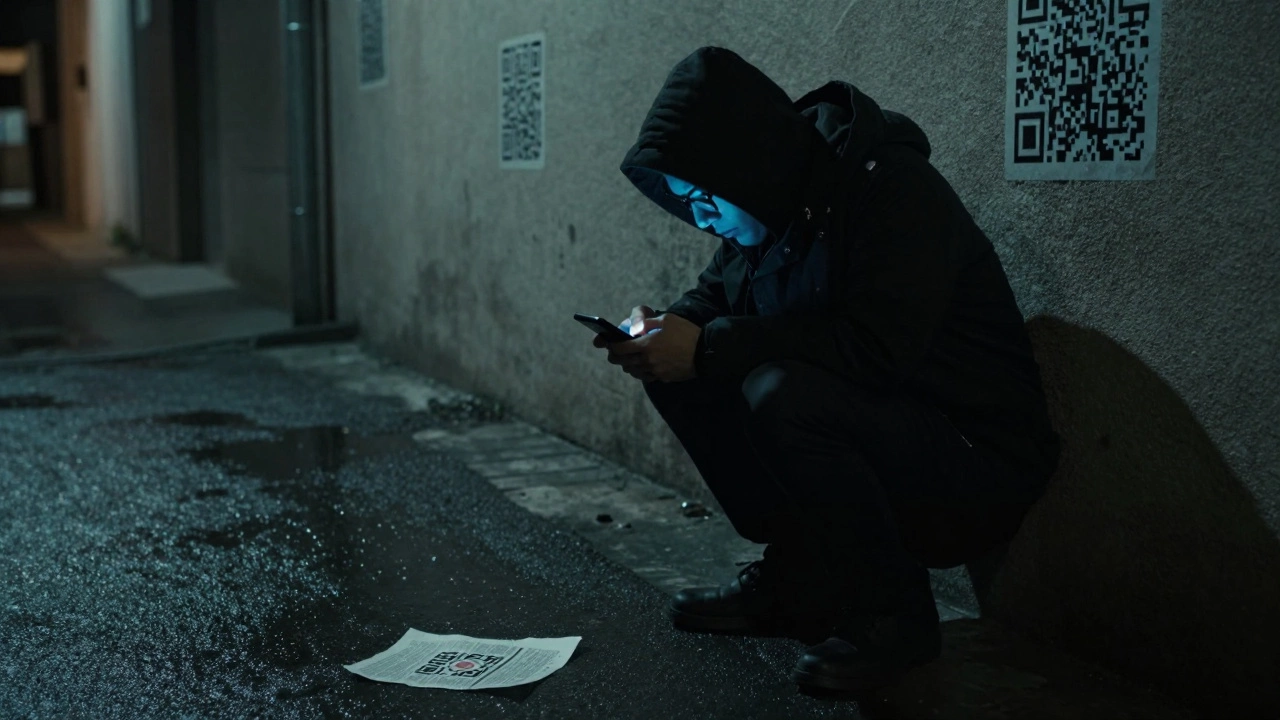
When SESTA/FOSTA passed in 2018, lawmakers promised it would shut down online sex trafficking. Five years later, survivors, advocates, and law enforcement agree: the law didn’t stop trafficking. It just pushed it deeper underground - and made life harder for consensual adult workers who had no connection to abuse. The law was meant to target predators, but it ended up silencing the very people who could have helped expose them. Websites like Backpage, which had moderation teams and reporting systems, were shut down. In their place came encrypted apps, cash-only meetups, and social media DMs where no one is watching. Traffickers adapted. Victims lost their only safe channels for help.
Some sex workers turned to platforms like escoet paris to stay visible without relying on the old ad sites. These spaces, while controversial, became lifelines for those trying to screen clients, share safety tips, and avoid violent encounters. The irony? The law intended to protect people from exploitation, but without regulated online spaces, many now face greater risks than before.
What SESTA/FOSTA Actually Did
SESTA/FOSTA - the Stop Enabling Sex Traffickers Act and Allow States to Fight Online Sex Trafficking Act - made websites legally responsible for content posted by users. If a site hosted an ad that even *might* be linked to trafficking, the owners could be criminally charged. That scared off every platform that allowed user-generated content. Craigslist removed its personals section. Reddit banned adult-related subreddits. Even Google and Facebook tightened filters so aggressively they blocked legitimate sex worker forums.
Before SESTA/FOSTA, sex workers used online platforms to vet clients, negotiate rates, and share warnings about dangerous individuals. They built communities. They saved lives. After the law passed, those tools vanished. A 2020 study from the University of Leicester found that after the law went into effect, violence against sex workers increased by 30%. The researchers tracked reports from 17 countries and concluded that the loss of online safety tools directly correlated with higher rates of assault and murder.
Where Trafficking Went After the Crackdown
Traffickers didn’t disappear. They moved. Today, most trafficking ads are hidden in encrypted messaging apps like Telegram and Signal. Some are posted on private Instagram accounts or hidden in gaming chat rooms. Others use QR codes in public restrooms or flyers in laundromats. These methods are harder for police to track - and impossible for victims to report safely.
One survivor in Atlanta told investigators she was forced to work for two years after being lured through a fake modeling job. She never saw an online ad. Her trafficker used a burner phone and met her in person. She didn’t know where to turn because the old networks - the ones that once connected her to other workers and safety resources - were gone. She didn’t know how to ask for help without risking arrest.
Meanwhile, escort parus became a whispered alternative for those still trying to work independently. Without the safety of public review systems, they rely on word-of-mouth, private WhatsApp groups, and word-of-mouth again. The lack of transparency makes it harder to spot predators - and easier for them to slip through.
Who Got Hurt the Most
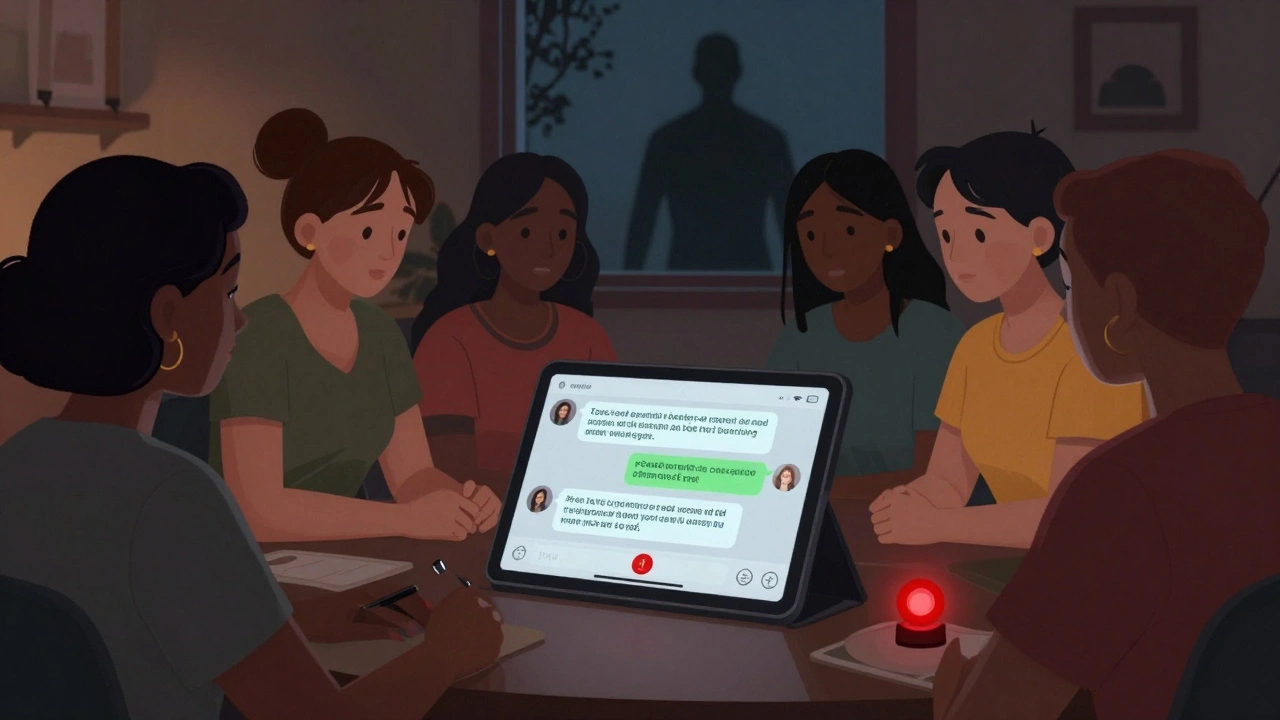
SESTA/FOSTA didn’t just affect sex workers. It hurt homeless youth, LGBTQ+ teens, and survivors of abuse who turned to sex work to survive. A 2022 report from the Urban Justice Center found that 68% of young people who engaged in survival sex before 2018 lost their primary source of income after the law passed. Many ended up on the streets, with fewer options for shelter, food, or medical care.
Law enforcement says they’re overwhelmed. The FBI says they receive fewer tips now because victims no longer trust online platforms. Police departments in cities like Los Angeles and Chicago report that investigations into trafficking have become slower and less effective. Without digital footprints, cases go cold faster.
And yet, the law still stands. No major changes have been made since 2018. No review panel has been formed. No funding has been allocated to rebuild safe online spaces for vulnerable people.
What’s Missing: Safe Alternatives
People keep saying we need to fight trafficking. But we’re fighting the wrong thing. We’re fighting websites, not traffickers. Real solutions would include:
- Funding for independent, moderated platforms where sex workers can report abuse anonymously
- Training for police to recognize trafficking without criminalizing workers
- Emergency housing and job training for those trying to exit the industry
- Legal protections for those who report traffickers, even if they’ve been forced to work
Some countries have tried decriminalization. In New Zealand, where sex work is legal and regulated, trafficking rates are among the lowest in the world. Workers can report abuse without fear of arrest. Health services are accessible. Police work *with* workers, not against them. It’s not perfect - but it’s better than what we have.
Meanwhile, escort oaris continues to exist in the shadows - a quiet reminder that people still need ways to connect, survive, and stay safe. The law didn’t stop them from working. It just made them more vulnerable.
What Needs to Change Now
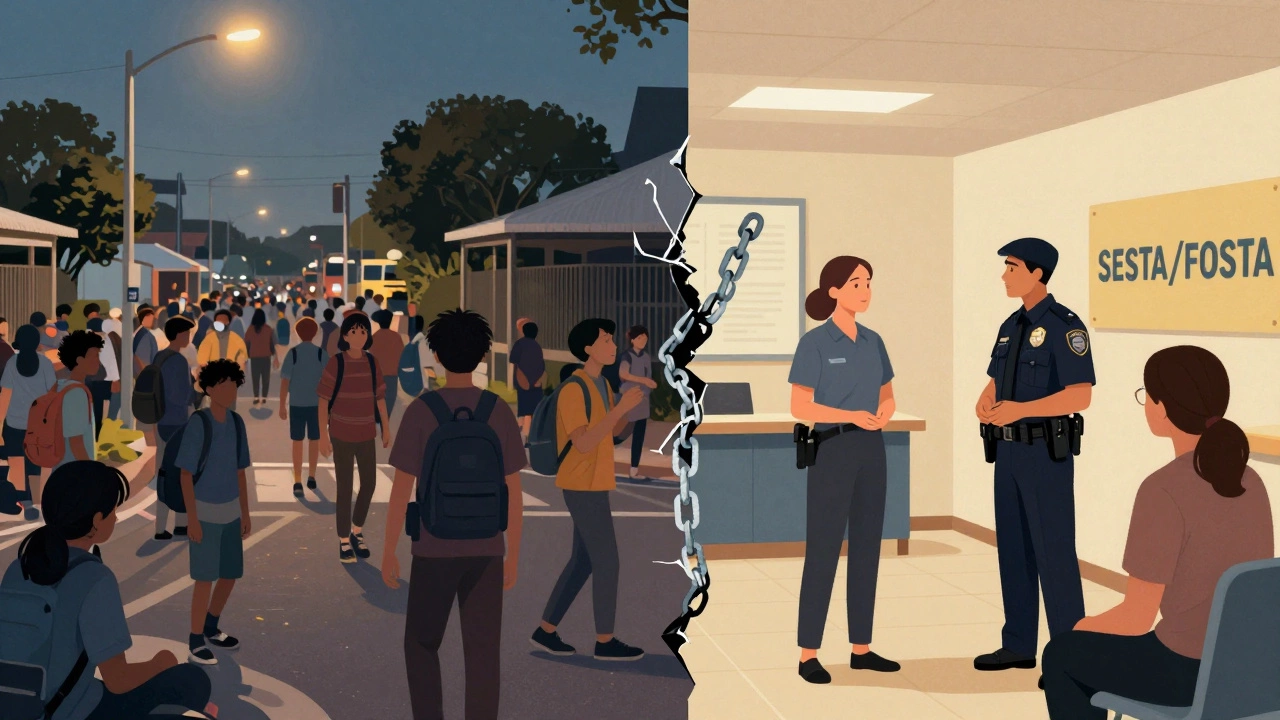
We need to stop pretending that shutting down websites ends exploitation. That’s like closing all libraries because someone used one to plan a crime. The real problem isn’t the medium - it’s the lack of support, the stigma, and the failure to protect the most vulnerable.
Here’s what can happen in the next 12 months:
- Congress should commission an independent review of SESTA/FOSTA’s impact - with direct input from survivors and sex worker organizations.
- Federal funding should be allocated to build secure, nonprofit digital spaces for adult workers to share safety information.
- Law enforcement should be required to undergo training on trauma-informed approaches to trafficking investigations.
- States should pass laws that decriminalize consensual adult sex work, following New Zealand’s model.
None of this is easy. But the current system isn’t working. People are still being trafficked. People are still dying. And the people who could have helped stop it - the workers themselves - are now too afraid to speak up.
The Road Ahead
SESTA/FOSTA was born from good intentions. But good intentions don’t fix broken systems. They just make them louder. The truth is, trafficking exists because of poverty, abuse, and lack of opportunity - not because of websites. We can’t arrest our way out of this. We need to rebuild trust, restore safety nets, and listen to the people on the ground.
Until then, the silence won’t end. The danger won’t disappear. And the people who need help the most will keep disappearing - one encrypted message, one cash transaction, one lonely street corner at a time.